Worried about your child?
How can you know if your child's challenges are typical for their age? Is it just a phase? Or is there something more going on?
Read the articleFree articles for parents by Dr. Jenny Demark and Dr. Linda Reinstein, first published in the Glebe Report and The OSCAR, with short videos for teachers and a guide to getting help in Ontario.
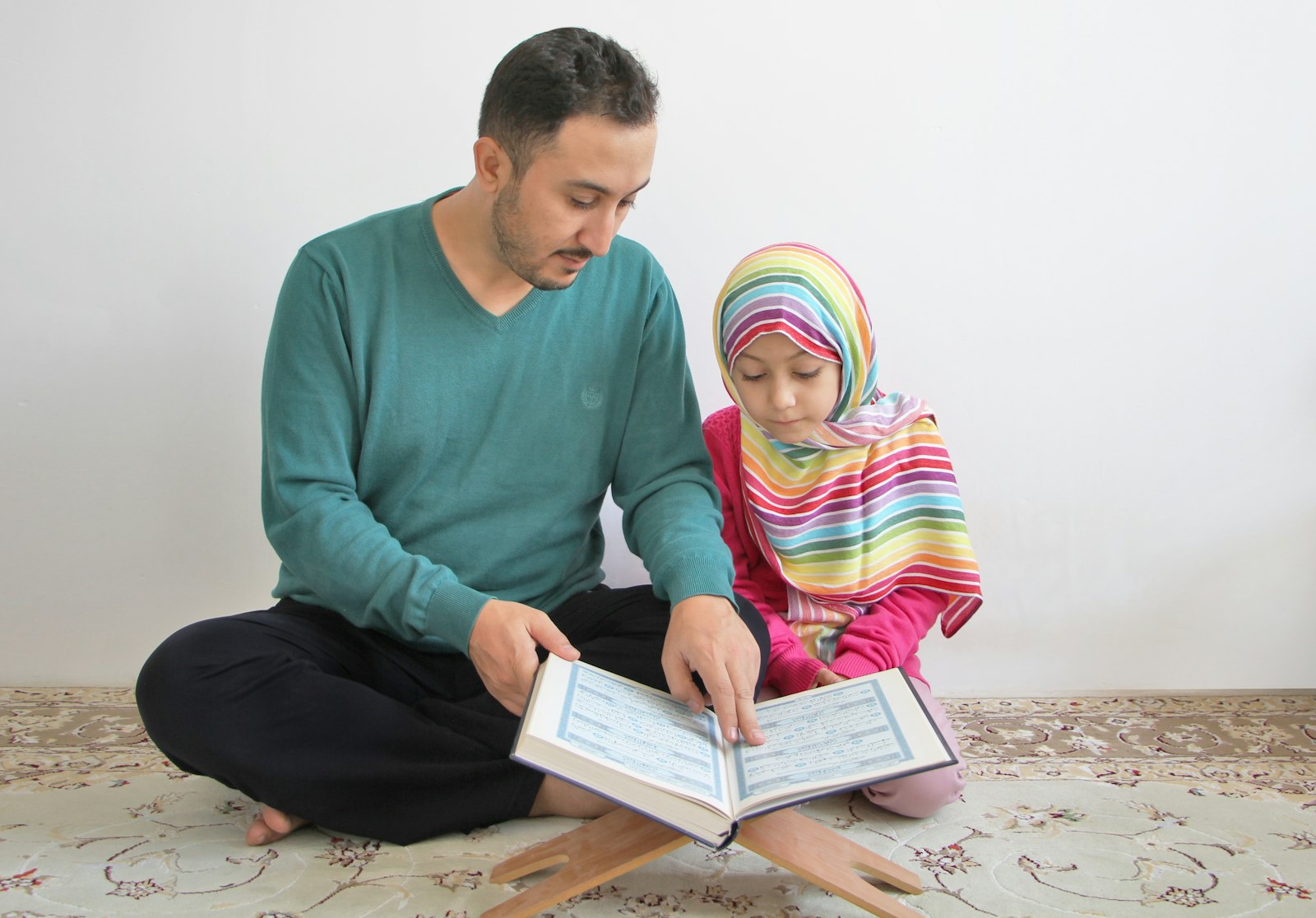
How can you know if your child's challenges are typical for their age? Is it just a phase? Or is there something more going on?
Read the articleHow getting help works in Ontario: what OHIP and extended health plans cover, what happens first, and what to do while you wait.
Read the guideIt is not a problem of intelligence or willpower – people with ADHD want to succeed but they often lack the necessary skills to do so. These articles explain ADHD and executive functioning, and what helps at home, at school, and in treatment.
How we can help: our assessment services →At its core, ADHD is really a disorder of regulation.
To be clear, ADHD is not something that is caused by bad parenting, bad teaching, poor diets, vaccines or too much screen time.
People with ADHD need help and do not benefit from a wait-and-see approach.
If we think of reasoning abilities and problem-solving skills as our brain's "natural resources," executive functioning is our brain's "resource management team."
The main difficulty of ADHD is not one of knowing what to do but how and when to do it.
A talk Dr. Demark made for teachers about executive functions in the classroom.
These articles cover back-to-school worries and how parents can support a teenager's mental health. Both recommend the same starting point: validate your child's feelings.
How we can help: our psychotherapy services →Many teens act as though they do not want to spend a single second with their parents but in reality, they still want us involved in their lives.
It's a time of transition that some kids welcome and others dread.
Different children may need different rules. These articles cover autism spectrum disorder and managing screen time at home.
How we can help: our behavioural services →Many people are confused about ASD – what it is, what causes it, and how to help those who have it.
One of the first complaints from kids when they are told to turn off their devices is that they have "nothing to do!" (insert dramatic eye roll here).
As parents, we all want our children to succeed at school and to enjoy their learning and social opportunities. These articles explain specific learning disorder, what a psychoeducational assessment involves, and what to do with the report afterwards.
How we can help: our assessment services →Students with SLDs are often bright, creative, hard-working, resilient, warm and fun people. They can learn and they want to learn, they just learn differently from others.
A psycho-educational assessment is a comprehensive review of your child's cognition, memory, learning, behaviour and social-emotional skills.
It is the job of the psychologist to see how these pieces fit together to tell a story that makes the most sense to understand your child's strengths and challenges.
It is important for parents to understand that they are the keepers and givers of this information.
A talk Dr. Demark made for teachers, which you may want to share with your child's school.
What to know before contacting a psychologist, psychotherapist, or behaviour analyst in Ontario: deciding whether to seek help, what services cost, what happens first, and what to do while you wait.
Contact a Clinician →Embarking on a relationship with a psychologist can seem daunting. Rest assured, there will be no lying on couches or years of Freudian-style psychoanalysis.
What OHIP and extended health plans cover, questions to ask your insurer, and where to start if you are not sure.
How we collect, use, and protect your family's personal information, and the limits of confidentiality.
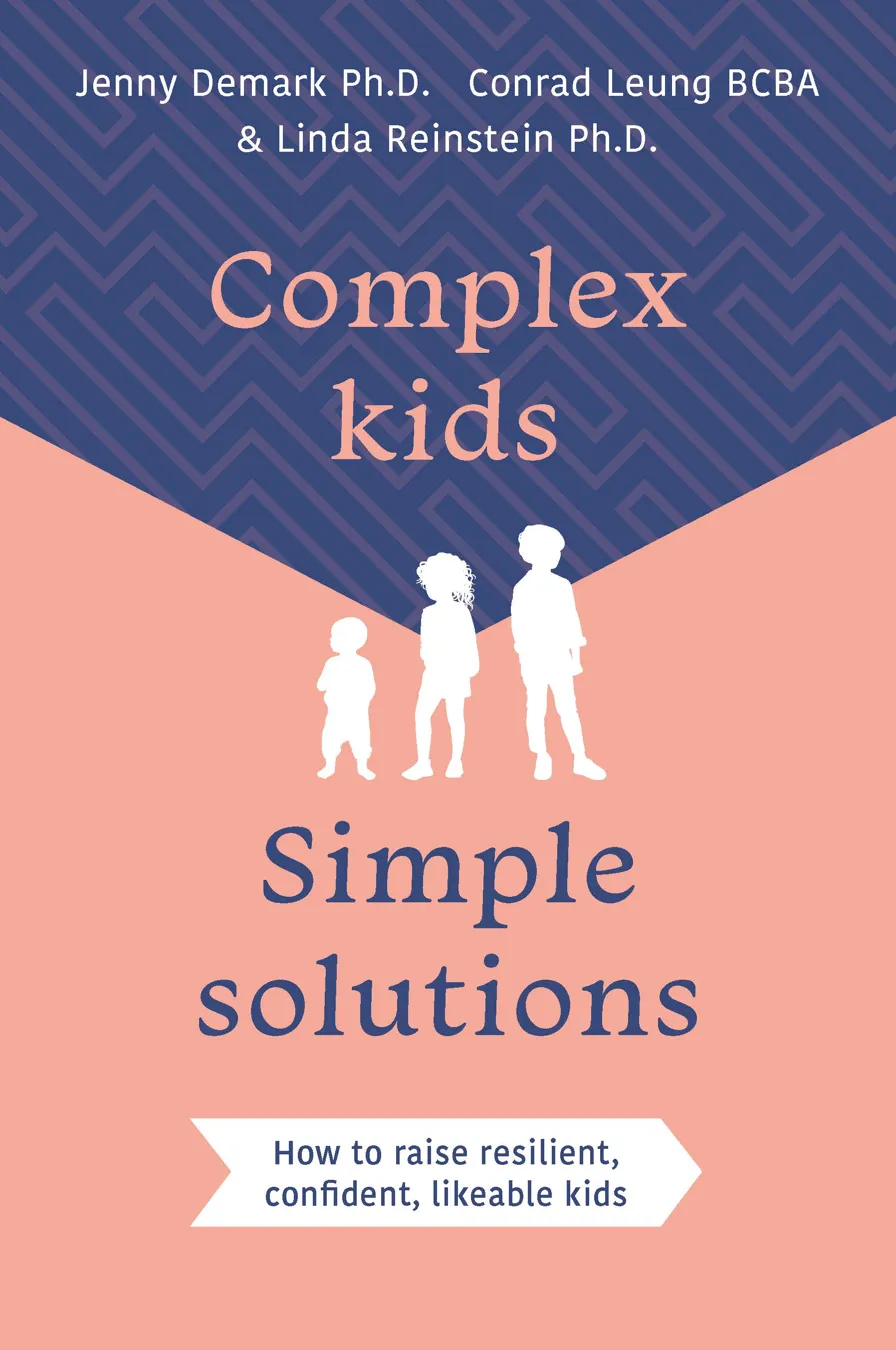
Even the biggest parenting struggles can be solved with three simple steps: Prepare. Teach. Motivate.
About the book →